Camera Operator:

A camera operator is responsible for physically operating the camera whilst receiving instructions from the director over a headset, the camera operator will maintain composition and camera angles through out the production.
My responsibilities:
- Ensure that cameras and associated equipment are rigged for the required setup
- Making sure the camera is always in focused
- Making sure the action is filmed correctly in the frame
- React instinctively when given instructions to carry out
- Help establish the theme and appearance of the show
Essential skills of Camera Operator:
- Excellent technical skills
- Be creative
- Be able to Multi task
- Good listening skills
- Ability to carry out instructions with great accuracy and attention to detail
- Excellent communication skills
- Knowledge of Health and Safety legislation and procedures
Camera angles and movements combine to create a sequence of images, each different shot has a different purpose and effect.
I found some useful shots and angles on www.mediaknowall.com that I learnt a lot from, i have included the relevant information below:
Camera shots:
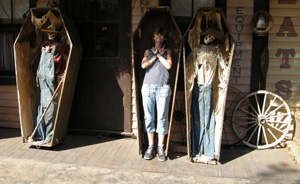
1 . Extreme long shot
This can be taken from as much as a quarter of a mile away, and is generally used as a scene-setting, establishing shot. It normally shows an EXTERIOR, eg the outside of a building, or a landscape, and is often used to show scenes of thrilling action eg in a war film or disaster movie. There will be very little detail visible in the shot, it's meant to give a general impression rather than specific information
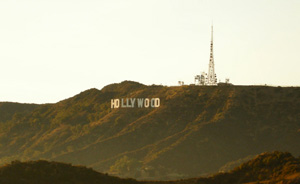
2. Long shot

This is the most difficult to categorise precisely, but is generally one which shows the image as approximately "life" size ie corresponding to the real distance between the audience and the screen in a cinema (the figure of a man would appear as six feet tall). This category includes the FULL SHOT showing the entire human body, with the head near the top of the frame and the feet near the bottom.
3. Medium Shot
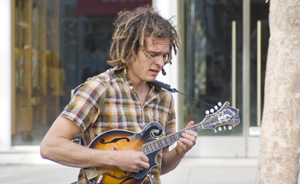 Contains a figure from the knees/waist up and is normally used for dialogue scenes, or to show some detail of action. Background detail is minimal, probably because location has been established earlier in the scene - the audience already know where they are and now want to focus on dialogue and character interation.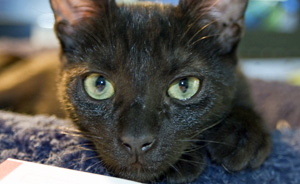
4. Close-Up
This shows very little background, and concentrates on either a face, or a specific detail of mise en scène. Everything else is just a blur in the background. This shot magnifies the object
and shows the importance of things, be it words written on paper, or the expression on someone's face. The close-up takes us into the mind of a character. In reality, we only let people that we really trust get THAT close to our face - mothers, children and lovers, usually - so a close up of a face is a very intimate shot. A film-maker may use this to make us feel extra comfortable or extremely uncomfortable about a character, and usually uses a zoom lens in order to get the required framing.
This shows very little background, and concentrates on either a face, or a specific detail of mise en scène. Everything else is just a blur in the background. This shot magnifies the object
and shows the importance of things, be it words written on paper, or the expression on someone's face. The close-up takes us into the mind of a character. In reality, we only let people that we really trust get THAT close to our face - mothers, children and lovers, usually - so a close up of a face is a very intimate shot. A film-maker may use this to make us feel extra comfortable or extremely uncomfortable about a character, and usually uses a zoom lens in order to get the required framing.
and shows the importance of things, be it words written on paper, or the expression on someone's face. The close-up takes us into the mind of a character. In reality, we only let people that we really trust get THAT close to our face - mothers, children and lovers, usually - so a close up of a face is a very intimate shot. A film-maker may use this to make us feel extra comfortable or extremely uncomfortable about a character, and usually uses a zoom lens in order to get the required framing.
5. Extreme Close-Up
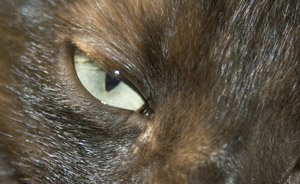 As its name suggests, an extreme version of the close up, generally magnifying beyond what the human eye would experience in reality. An extreme close-up of a face, for instance, would show only the mouth or eyes, with no background detail whatsoever. This is a very artificial shot, and can be used for dramatic effect. The tight focus required means that extra care must be taken when setting up and lighting the shot - the slightest camera shake or error in focal length is very noticeable.
During our production i would only use the long shot, medium shot and the close-up shot, reason being that it could cause my camera to lose focus and could become complexed trying to achieve the rest of the shots accurately, whilst following instructions quickly.
Camera angles:
1. The Bird's-Eye view
This shows a scene from directly overhead, a very unnatural and strange angle. Familiar objects viewed from this angle might seem totally unrecognisable at first (umbrellas in a crowd, dancers' legs). This shot does, however, put the audience in a godlike position, looking down on the action. People can be made to look insignificant, ant-like, part of a wider scheme of things. Hitchcock (and his admirers, like Brian de Palma) is fond of this style of shot.

2. High Angle
Not so extreme as a bird's eye view. The camera is elevated above the action using a crane to give a general overview. High angles make the object photographed seem smaller, and less significant (or scary). The object or character often gets swallowed up by their setting - they become part of a wider picture.
3. Eye Level
A fairly neutral shot; the camera is positioned as though it is a human actually observing a scene, so that eg actors' heads are on a level with the focus. The camera will be placed approximately five to six feet from the ground.
4. Low Angle
These increase height (useful for short actors like Tom Cruise or James McAvoy) and give a sense of speeded motion. Low angles help give a sense of confusion to a viewer, of powerlessness within the action of a scene. The background of a low angle shot will tend to be just sky or ceiling, the lack of detail about the setting adding to the disorientation of the viewer. The added height of the object may make it inspire fear and insecurity in the viewer, who is psychologically dominated by the figure on the screen.
5. Oblique/Canted Angle
Sometimes the camera is tilted (ie is not placed horizontal to floor level), to suggest imbalance, transition and instability (very popular in horror movies). This technique is used to suggest POINT-OF-View shots (ie when the camera becomes the 'eyes' of one particular character,seeing what they see — a hand held camera is often used for this.
Eye Level and Low Angle are the only angles necessary for this production. Not so much because of the affect the angles have the audience/viewers but simply because we only need neutral shots to capture all the action, as it is a magazine show we do not need to increase the heights/sizes of the cast as it needs to be as realistic as possible.